
From Early Tissue Changes To Advanced Lipedema: Know What Each Stage Means
Lipedema can change gradually, affecting tissue texture, body contours, discomfort, and mobility. Understanding the lipedema stages can help you recognize how symptoms may progress and when to consider treatment options.
What Are the Stages of Lipedema?
Lipedema is commonly classified into four stages based on changes in the fatty tissue and skin. While the stages describe physical changes, symptoms such as pain, swelling, heaviness, and mobility can vary from person to person.
Stage 1 Lipedema
Stage 1 is often the earliest and most subtle stage. The skin may look smooth and relatively normal, while the tissue underneath may feel softer, thicker, or unusually sensitive.
You may experience tenderness, pressure sensitivity, heaviness, or easy bruising even when changes are difficult to see. Walking and daily activities are generally possible, although prolonged standing or activity may cause discomfort.
Stage 2 Lipedema
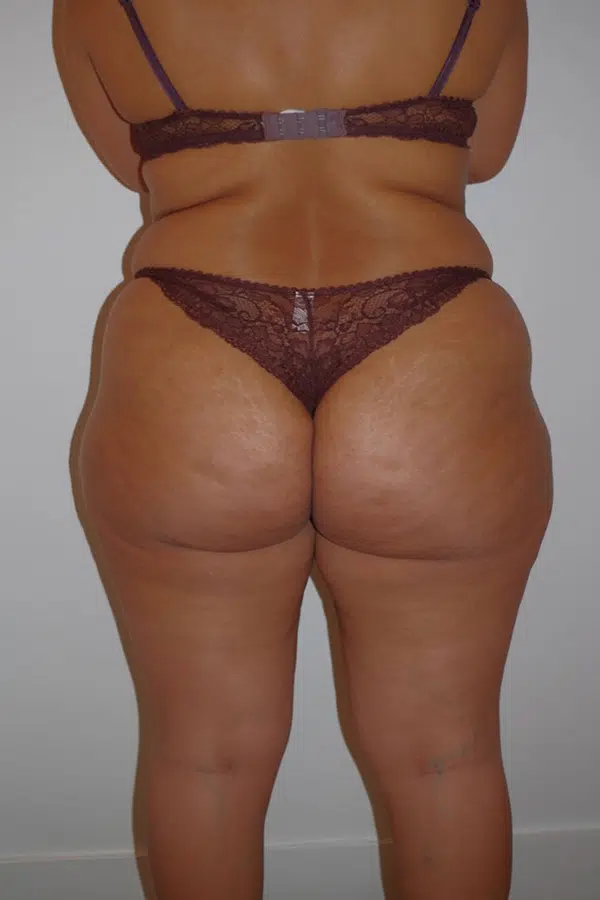
During Stage 2, changes to the skin and underlying tissue become more noticeable. The skin may develop a dimpled, uneven, or nodular appearance, while the fatty tissue can feel firmer and less uniform.
Pain, tenderness, heaviness, and swelling may become more noticeable, particularly after standing for long periods. Walking is generally still possible, but discomfort or heaviness may make longer walks or exercise more difficult.
Stage 3 Lipedema
Stage 3 involves more pronounced changes in the amount and distribution of fatty tissue. Larger areas of excess tissue, folds, or lobules may develop around the thighs, knees, and lower legs. These changes can alter body contours and cause skin-to-skin friction.
Pain, swelling, and heaviness may worsen. Walking or standing for long periods can become difficult when excess tissue interferes with movement. However, mobility varies, and Stage 3 does not mean a person cannot walk.
Stage 4 Lipedema
Stage 4 is commonly associated with lipedema and lymphatic dysfunction, sometimes called lipo-lymphedema. In addition to fatty tissue changes, fluid accumulation can worsen swelling and heaviness.
Affected areas may feel particularly heavy, swollen, and uncomfortable, making movement more challenging. Some people may have significant difficulty walking or standing, but Stage 4 does not automatically mean they cannot walk. Mobility depends on swelling, tissue changes, pain, and other individual factors.
Lipedema Stages vs. Types
Stage refers to the severity of physical tissue changes, while type refers to the body areas affected. Lipedema may primarily involve the hips and buttocks, thighs, lower legs, or upper arms.
Two people can have the same type but be at different stages. Likewise, people at the same stage can have different areas affected.
Does Lipedema Always Progress Through Every Stage?
Not necessarily. Lipedema progression varies, and some people may remain at one stage while others experience noticeable changes.
Hormonal changes and individual factors may influence how symptoms develop. The stage does not necessarily determine how much pain or functional difficulty you experience.
What Treatment Options Are Available?
Treatment depends on your symptoms, stage, health, and individual needs. Conservative approaches can include compression, movement, nutrition, and symptom management, while surgery may be considered when these measures provide insufficient relief.
Dr. Foued Hamza offers lipedema liposuction using microcannula techniques, as well as tumescent and water-assisted liposuction approaches. These techniques target affected tissue while protecting surrounding structures.
Frequently Asked Questions
Can stage 1 lipedema get worse?
Lipedema can progress over time, although the rate varies between individuals. Early symptoms may remain stable or develop into more noticeable tissue and contour changes.
Can lipedema progress without significant weight gain?
Yes. Lipedema involves disproportionate fat distribution rather than simply overall weight gain. Symptoms and affected areas can change independently of general body weight.
At what stage is lipedema surgery considered?
Surgery may be considered when symptoms such as pain, heaviness, or mobility difficulties persist despite conservative measures. Dr. Hamza assesses your stage, symptoms, health, and treatment goals before discussing surgical options.
Can stage 4 lipedema be treated?
Treatment can help manage symptoms and reduce affected fatty tissue, although advanced disease may involve additional lymphatic problems. Your treatment plan depends on the extent of tissue changes and associated swelling.
Concerned About Lipedema Progression? Contact Us Now
Understanding whether you have stage 1, 2, 3, or 4 lipedema can help you make sense of changing symptoms and potential treatment options. Speak with Dr. Foued Hamza in London to discuss your symptoms, progression, and appropriate next steps. Call us at (44) 203 318 1731 or fill out the online form to schedule your appointment.

Lipedema Surgery
Before & After Photos
Related
BLOG